0212061864 [Phone] | +353 (87) 419 5190 [Mobile]
0212061864 [Phone] | +353 (87) 419 5190 [Mobile]


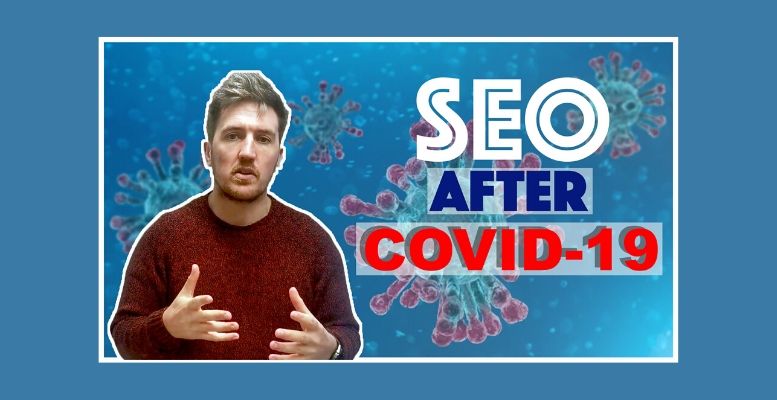
The COVID-19 Pandemic and associated lockdowns have changed the way businesses have been operating in Ireland and in the entire EU for the past 2months. It has a direct impact on consumer behavior and how data is searched on the internet. Now is a good time to reconfigure your SEO strategies to adapt the changes, and make your online authority more resilient.
According to Dylan Holland, CEO of Plus Promotions, you should not ease up on your SEO actions during this high time, even though most of the businesses are shut down. Instead, you should act up, and work on your SEO activities.
Follow Google Search Trends in order to reach out to your customers or audiences. Analyse what questions they might be looking for that is relevant to your business, and design dynamic content that answers such questions.
Create more and more authoritative content, as right now online shopping, online researches are going to surge, so take advantage of that activity. Give your audiences the kind of content that solves their problem, or addresses core issues that will make your content engaging and resourceful.
Be creative and make your site more and more user-friendly. Analyse what webpages are getting more traffic, how your visitors are finding your site, and what areas are visited the least. Use such data to improve your site, and content.
Sustain your search rank with Plus Promotions, which brings you valuable SEO strategies, that are personalised and dynamic. Put your best foot forward, for crises do not last long, so it should not impact your SEO rank or your progress.
